Grand View Research's latest golf simulator market report is out this month, putting the global golf simulator market at 2.3 billion dollars this year, heading toward 4.1 billion dollars by 2033. That is a compound annual growth rate of 8.7 percent, which on its own is just a number. The interesting part is not the size of the number. It is what is driving it.
The customer has changed and most people have not noticed
The report highlights how much simulators appeal to casual players and non golfers, and that matches exactly what we see at our venues. This is not just a market of golfers buying home simulators to practice their swing. It is also a market of people who are not golfers at all, walking into a social venue and trying something new because it is a good way to spend an evening.
On the ground at Five Iron UAE, we have grown our membership base to around 500 in Dubai, with another 250 people who have registered interest ahead of Abu Dhabi opening, and the fastest growing part of that base has never been the low single digit handicap crowd. It is the corporate group booking a bay for a client dinner. It is the birthday party that has never picked up a club. It is the first date that would have gone to a bowling alley five years ago and now goes to a golf simulator instead.
The biggest operators are social venues, not golf retailers
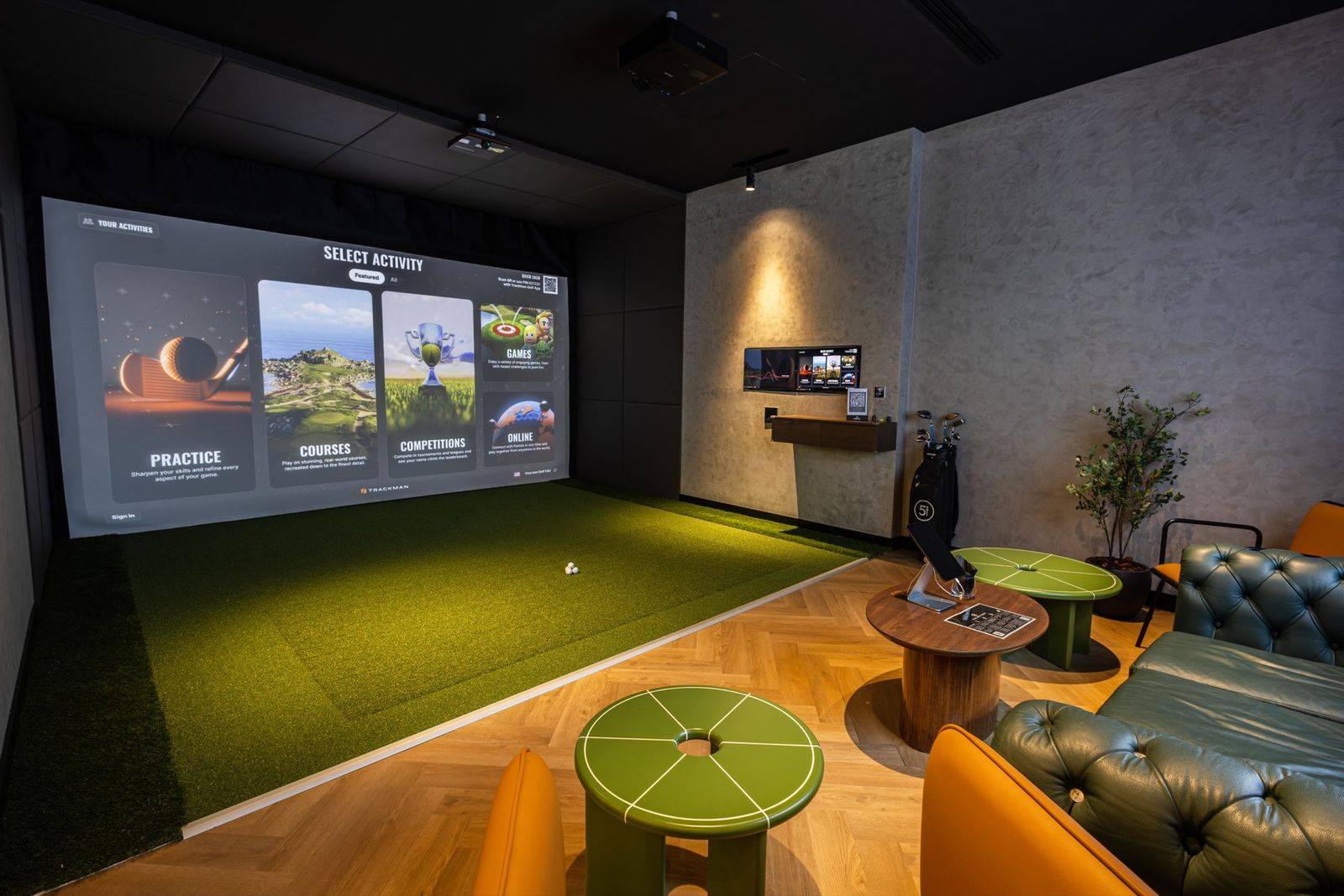
Commercial venues are already the biggest part of the market, and the operators leading it are social and hospitality spaces rather than golf retailers. That is a meaningful shift in how this category is being built. It used to be an equipment story, someone buying a simulator for their garage. Now it is a real estate and hospitality story, someone building a space designed around the social experience, with simulator technology as the format rather than the product.
Our own numbers back that up. Our events business at the Westin venue has more than doubled since the start of last year, and we have grown bookings by around 60 percent year on year into 2025, with further growth again this year. None of that growth came from people who identify as golfers first. It came from companies looking for a better client event than dinner, and from people who wanted a night out that was more interesting than another restaurant booking.
Why the region matters here
The report calls out Asia Pacific as the fastest growing region globally, on the back of rising golf participation in markets like Japan, South Korea, China and India. That is worth sitting with if you are building anything in this part of the world. The Gulf has real heat constraints for a large part of the year, and a growing appetite for golf as a social and business format. When outdoor golf is off the table for months at a time, indoor is not a backup option. It is the main event. We are not an exception to the trend. If anything, we are close to the textbook case of it.
Where this goes next
None of this means simulator technology stops mattering. Better tracking, better software, more realistic ball flight, all of that keeps improving and keeps raising the bar on what a good venue needs to offer. But the report's own numbers say hardware is already the bigger slice of revenue today while software is the faster growing piece. Translated, that means the winners in this category will not be the ones with the newest box in the bay. They will be the ones who build the best experience around it.
That is the bet we have made from day one. The data just confirms we made the right one.